Edward Gardiner
Edward Gardiner, Mrs. Bennet's brother, stands as a figure of steady sense, integrity, and genuine affection within the world of Pride and Prejudice, a man whose mercantile profession belies a refinement of character that sharply contrasts with the folly of his sister's family. He is the quiet engine of the novel's most critical resolutions, from the salvage of Lydia's reputation to the unwitting union of Elizabeth and Darcy, embodying the kind of practical goodness that the novel ultimately rewards.
Identity and Background
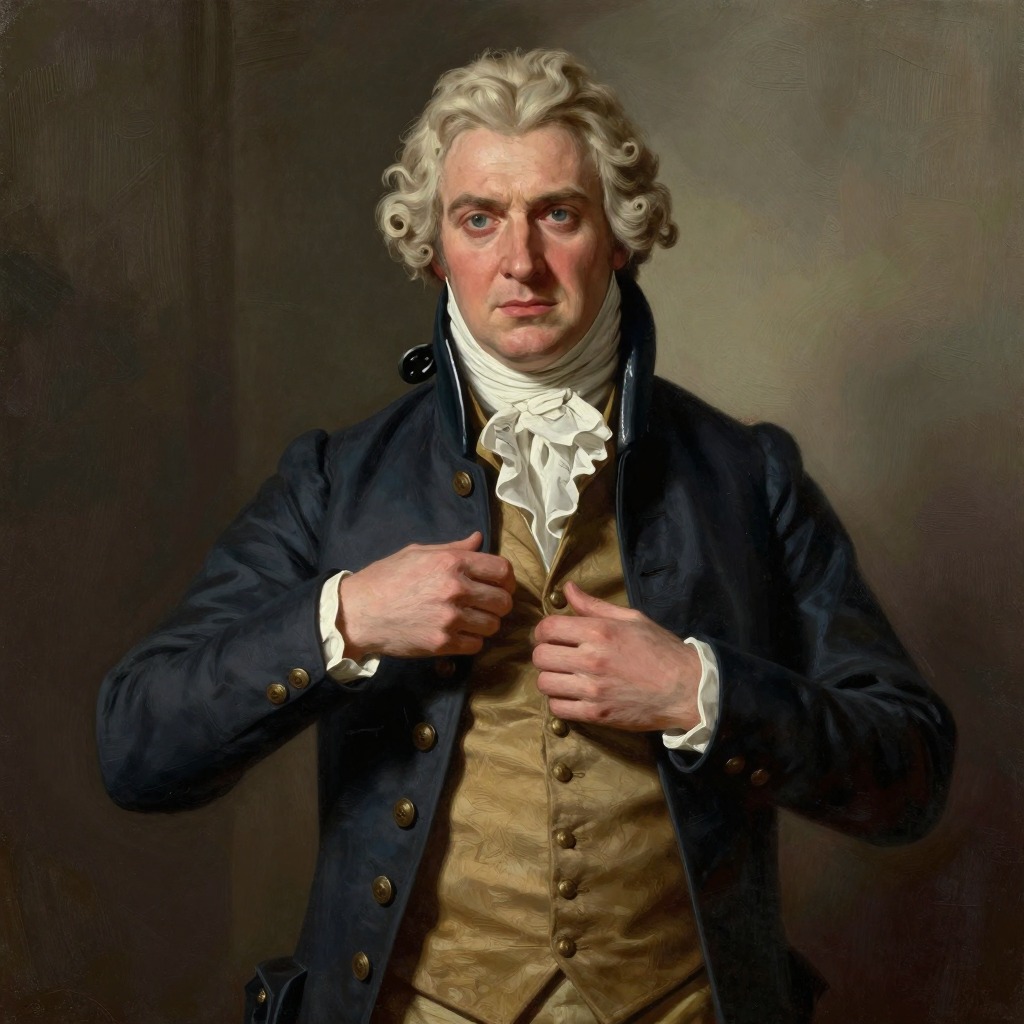
Mr. Gardiner is a sensible, gentlemanlike man, greatly superior to his sister Mrs. Bennet both by nature and education. He lives in London on Gracechurch Street, within view of his own warehouses, a detail that the Netherfield ladies would have found difficult to reconcile with his well-bred and agreeable manners. He is married to an amiable, intelligent, and elegant woman who is several years younger than Mrs. Bennet and Mrs. Phillips, and she is a great favourite with all her Longbourn nieces, particularly the two eldest. The Gardiners have four children—two girls of six and eight years old, and two younger boys—and their home is a place of genuine warmth and kindness.
Role in the Family and Character
Mr. Gardiner is the family's most reliable source of practical wisdom and decisive action. When Lydia elopes with Wickham, it is Mr. Gardiner who immediately promises every assistance in his power, and he is the one who persuades Mr. Bennet to return home from London while he continues the search. His letter to Mr. Bennet, sent by express, announces the discovery of the couple and lays out the terms for their marriage, revealing that he has already ventured to make engagements on his brother-in-law's behalf. He is deeply concerned that a cause of so little advantage to anyone should be forwarded at the sole expense of his brother-in-law, and he is determined to find out the extent of his assistance and to discharge the obligation as soon as he can. His behaviour to the Bennets is consistently attentive and kind, and he bears the ill-judged officiousness of Mrs. Bennet with forbearance.
Key Actions and Relationships
Mr. Gardiner's most consequential action is his collaboration with Darcy to secure Lydia's marriage. Darcy, having discovered the fugitives, calls on Mr. Gardiner and is shut up with him for several hours. They battle it together for a long time, but ultimately Mr. Gardiner is forced to yield to Darcy's insistence on bearing the entire financial burden himself—paying Wickham's debts, settling a thousand pounds on Lydia, and purchasing his commission. Mr. Gardiner would most readily have settled the whole himself, but Darcy's obstinacy prevails. Beyond this, Mr. Gardiner is the one who proposes the northern tour that brings Elizabeth to Derbyshire and, fatefully, to Pemberley. He is an enthusiastic fisherman, and his easy, pleasant manners encourage the housekeeper Mrs. Reynolds to speak freely of Darcy's virtues, which begins to change Elizabeth's opinion. He is also the one who, upon meeting Darcy at Pemberley, pronounces him to be infinitely superior to anything they had expected, noting that he is "perfectly well behaved, polite, and unassuming."
Change and Ending
Mr. Gardiner's role in the novel's resolution is quietly heroic. He is the person to whom Darcy first reveals his involvement in Lydia's marriage, and he is the one who, through his wife's letter, finally reveals the full extent of Darcy's generosity to Elizabeth. The Gardiners remain on the most intimate terms with Darcy and Elizabeth after their marriage; Darcy, as well as Elizabeth, really loves them, and both are ever sensible of the warmest gratitude towards the persons who, by bringing her into Derbyshire, had been the means of uniting them. Mrs. Gardiner's playful wish for a low phaeton with a nice little pair of ponies to drive around Pemberley's park is a testament to the enduring and affectionate bond between the Gardiners and the Darcy household.
Thematic Significance
Mr. Gardiner represents the novel's quiet endorsement of the mercantile class as a source of genuine virtue and good sense. He is a man of trade, yet his behaviour, intelligence, and moral seriousness far surpass those of the landed gentry like Lady Catherine de Bourgh or even the leisured Mr. Bennet. He is the embodiment of practical, disinterested kindness, acting without expectation of reward and with a clear-eyed understanding of the world's realities. His presence in the narrative serves as a powerful counterpoint to the pride and prejudice that the novel critiques, demonstrating that true gentility is a matter of character, not of birth or fortune.